Count the legs
Found something under a log? Before you reach for a field guide, count its legs. It’s the quickest first step to working out what kind of critter you’ve got.
How many legs has it got?
Tap a leg count to jump straight to the answer, or scroll down through all six.
It’s probably a snail, slug or worm
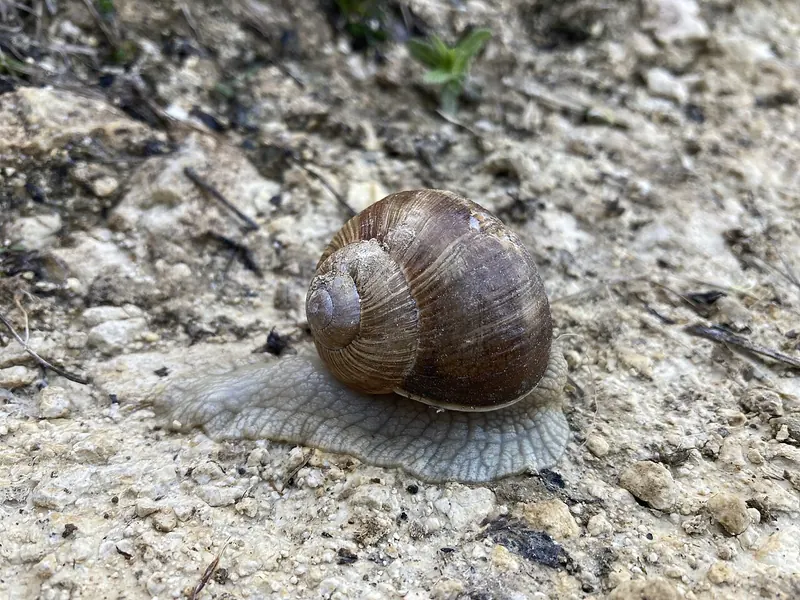
No legs at all? Look for a shell, slime and two pairs of tentacles (snails and slugs), or rings along the body (earthworms).
- Snails and slugs are both gastropods, a group of molluscs. [source]
- Most snails have a ribbon-like tongue called a radula, covered in thousands of microscopic tooth-like structures. It works like a file, rasping food into small pieces. [source]
- Earthworms are annelids, or segmented worms, the same group as ragworms and leeches. [source]
- Earthworms breathe through their skin, so it has to stay moist. [source]
It’s probably an insect
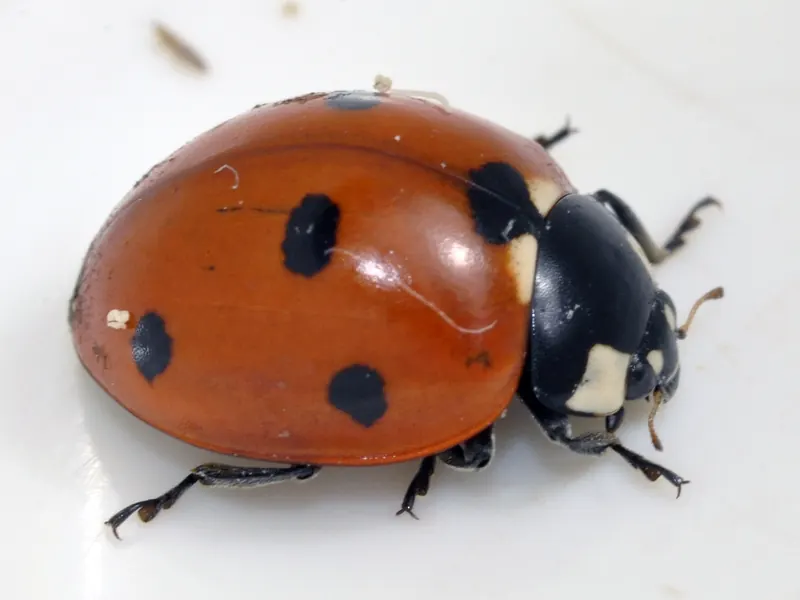
- Every adult insect has a three-part body (head, thorax and abdomen), three pairs of jointed legs, compound eyes and one pair of antennae. [source]
- Adult insects are the only arthropods that ever have wings, with up to two pairs on the thorax. [source]
- A beetle’s front wings are hardened into wing-cases called elytra, which cover the delicate flying wings underneath. [source]
It’s probably a spider or another arachnid
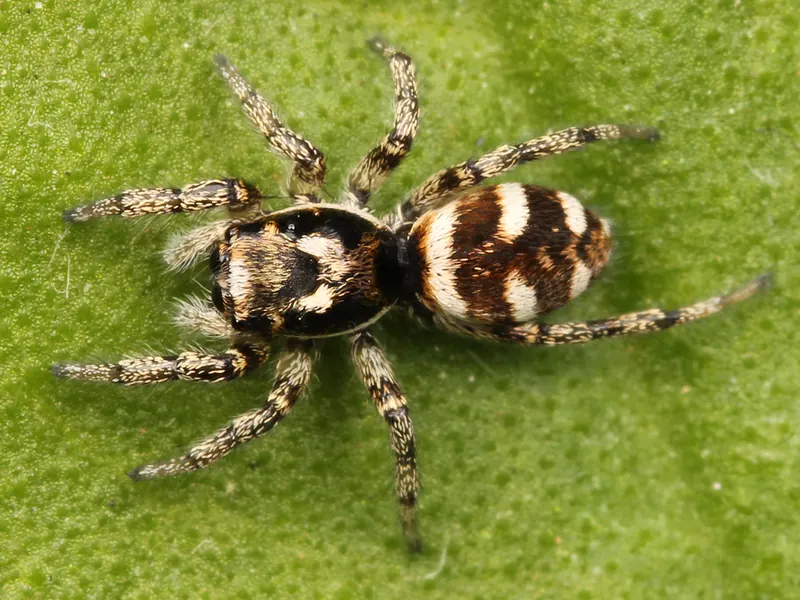
- Spiders have eight legs, fangs that can usually inject venom, and spinnerets that make silk. [source]
- Spiders belong to the arachnids, along with scorpions, ticks, mites and harvestmen. [source]
Eight legs but smaller than a full stop? That might be a water bear. Tardigrades, or water bears, are eight-legged micro-animals, usually about 0.5 mm long when fully grown. [source]
It’s probably a woodlouse
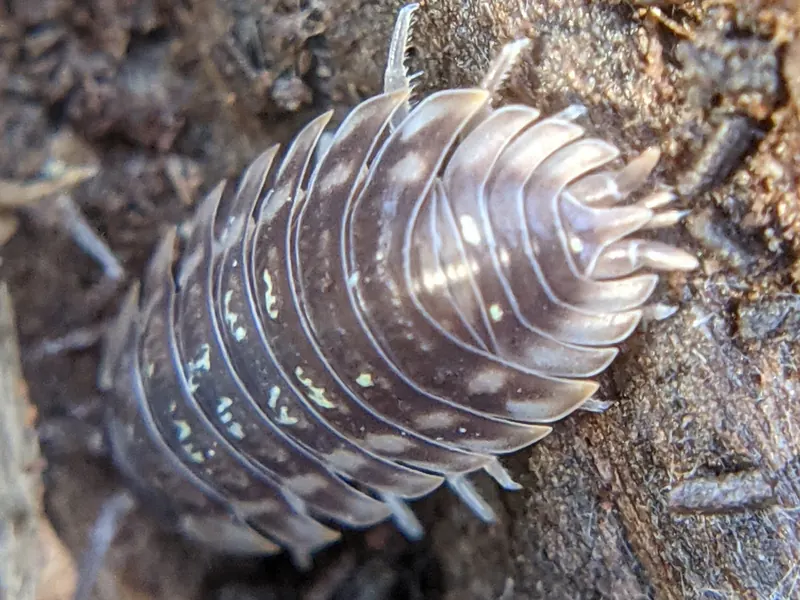
- A woodlouse has seven pairs of legs, which makes 14 legs in total. [source]
- Woodlice are isopods, and isopods are crustaceans, so a woodlouse is a crustacean that lives on land, not an insect. [source]
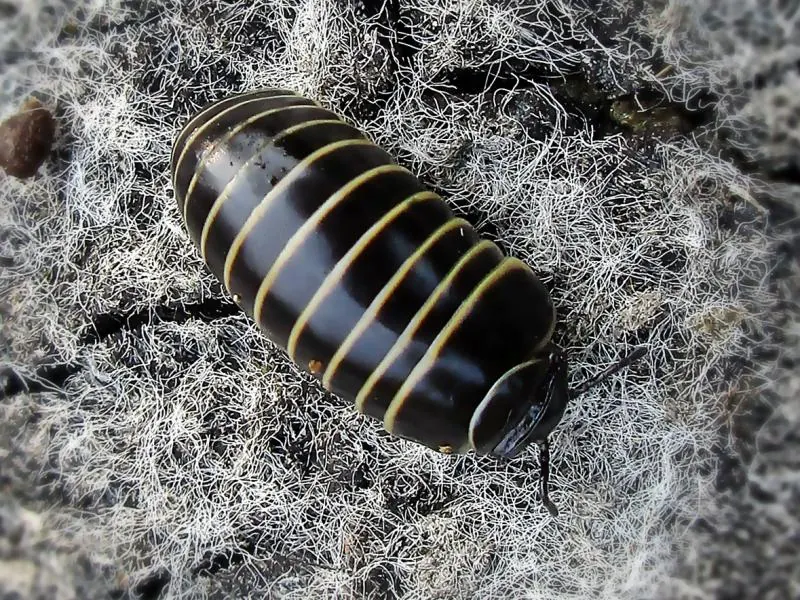
- The pill millipede rolls into a ball when disturbed, so it often gets mistaken for a pill woodlouse. [source]
Rolled into a ball? Count the legs if it unrolls: a pill millipede has far more than fourteen.
It’s probably a centipede
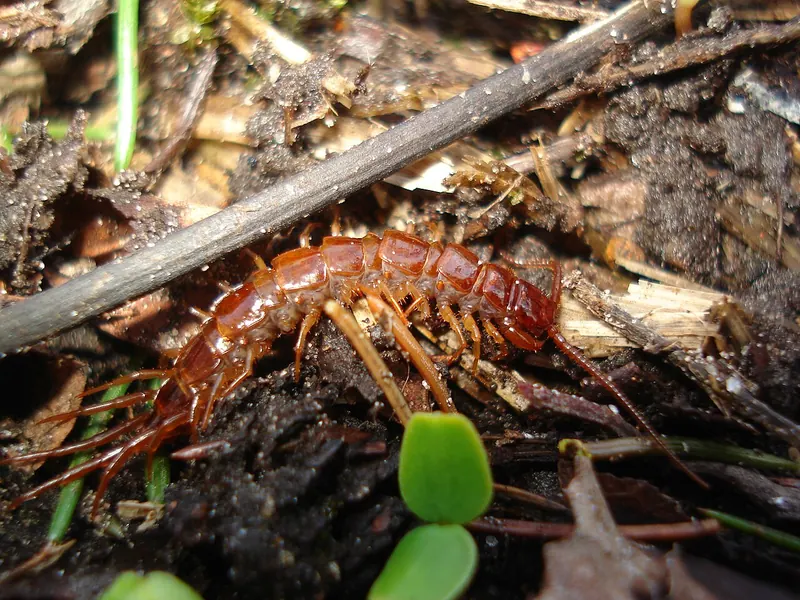
- Centipedes have one pair of legs on each body segment. [source]
- No centipede has exactly 100 legs. They always have an odd number of pairs, from 15 to 191. [source]
- A centipede’s “fangs” are really its front pair of legs, changed into venomous pincers called forcipules. [source]
Centipedes are fast, flattish hunters. Look but don’t pick up: they’re venomous.
It’s probably a millipede